
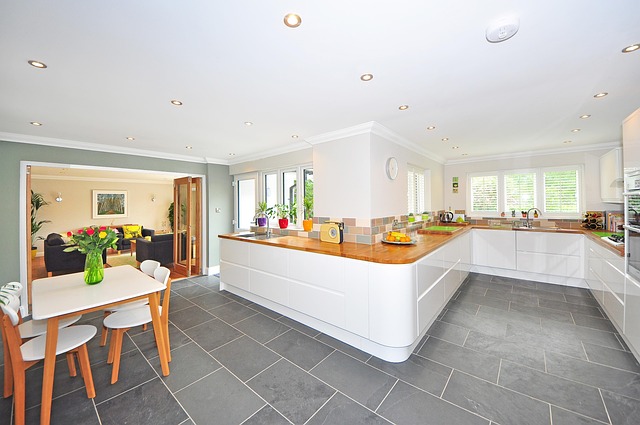
When a loved one ages or experiences mobility challenges, the kitchen—a space meant for nourishment and connection—can quickly become a zone of hazards and limitations. Modifying this central area of the home to accommodate their evolving needs isn’t just thoughtful; it’s essential for safety, independence, and quality of life.
Here’s a practical, professional look at how to adapt a kitchen to better support elderly family members or those with limited mobility.
1. Prioritize Accessibility Over Aesthetics
While design trends may prioritize sleek cabinetry and open shelving, accessibility should take the lead in these cases. Opt for pull-out drawers instead of deep cabinets, which reduce the need for bending or reaching. Consider lazy Susans in corner cabinets to improve reachability. The goal is to keep everyday items within easy, visible, and reachable range.
2. Rethink Countertop and Appliance Heights
Standard countertop heights aren’t always ideal for someone using a wheelchair or walker. Lowering a section of the countertop or providing an open space beneath allows for seated use. Wall-mounted or under-counter microwaves, as well as side-opening ovens, can help minimize bending or lifting.
Appliances with large, easy-to-read controls and front-mounted knobs reduce the risk of burns or misuse. Smart appliances with voice control or mobile connectivity can also support ease of use, depending on the individual’s tech comfort level.
3. Improve Lighting and Visibility
Many accidents occur simply because of poor lighting. Add evenly distributed, bright lighting throughout the kitchen. Use under-cabinet lights to eliminate shadows on the work surfaces. Adding motion-sensor lighting near entrances or above the sink can further improve safety for nighttime navigation.
4. Make Flooring Slip-Resistant
One of the most overlooked hazards is slippery kitchen flooring. Replace slick tile or worn vinyl with non-slip surfaces like textured rubber flooring or slip-resistant vinyl. Also, avoid area rugs or mats unless they have a non-skid backing and are securely fixed to the floor.
5. Add Support with Strategic Grab Bars
While grab bars are more common in bathrooms, they’re just as critical in the kitchen. Install sturdy, wall-mounted bars near frequently used areas such as the sink, stove, or prep counter. These supports can prevent falls and add confidence to daily tasks.
6. Consider Lever Handles and Touch Faucets
Twisting knobs can be difficult for those with arthritis or reduced strength. Replacing traditional knobs with lever-style handles or touch-activated faucets can make a big difference in usability and comfort.
Thoughtful Design Enhances Daily Life
By making targeted modifications, a kitchen can be transformed from a potential danger zone into a functional, welcoming space for those with special mobility needs. These changes don’t just support safety—they restore independence and dignity, allowing your loved one to remain engaged in daily routines.
Small changes, implemented wisely, can have a lasting, meaningful impact.
Recent Comments